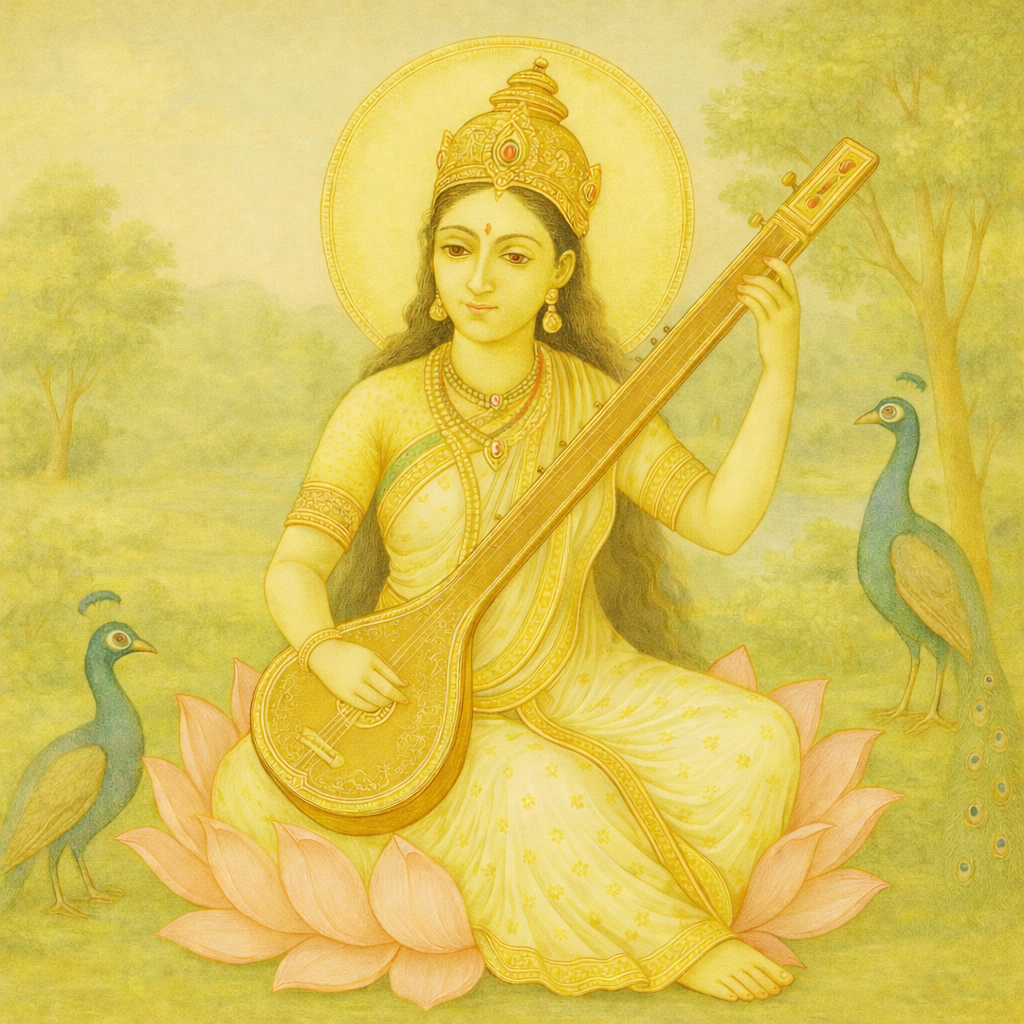
RAJAN - राजन्
The Protector
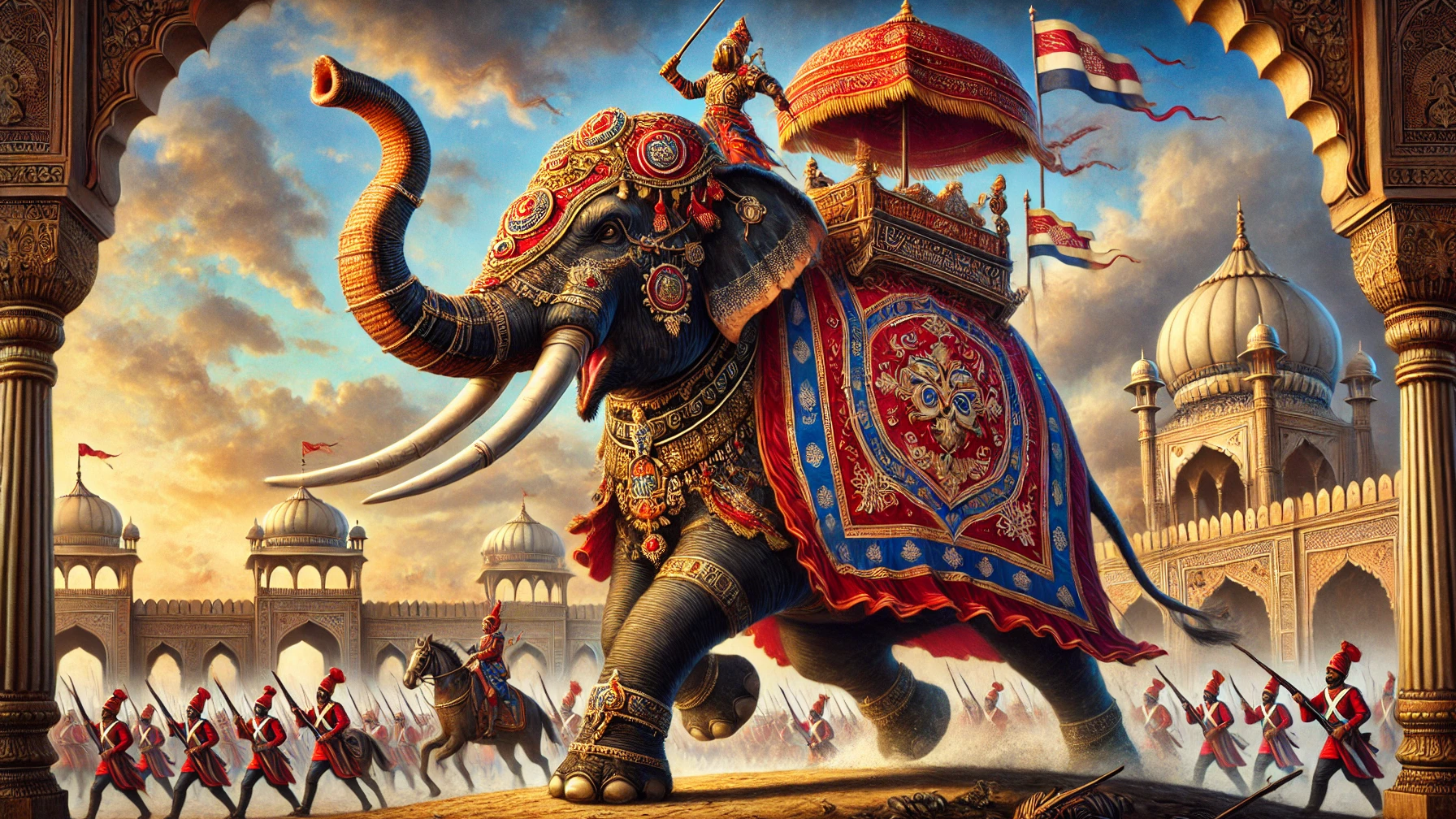
Rajans are committed to helping others achieve their goals and overcome obstacles. This supportive and protective nature can make them valuable friends and colleagues. They are always there to lend a hand or offer a listening ear.
PROTECTORS | Uplifter Group
Protectors are natural-born leaders wired to safeguard, uphold order, and take responsibility when others hesitate. Driven by an inner code of duty, they step into authority with clarity and conviction. Whether protecting people, principles, or institutions, Protectors create stability, direction, and lasting impact through strength, focus, and decisive leadership.
Learn More
The Elephant
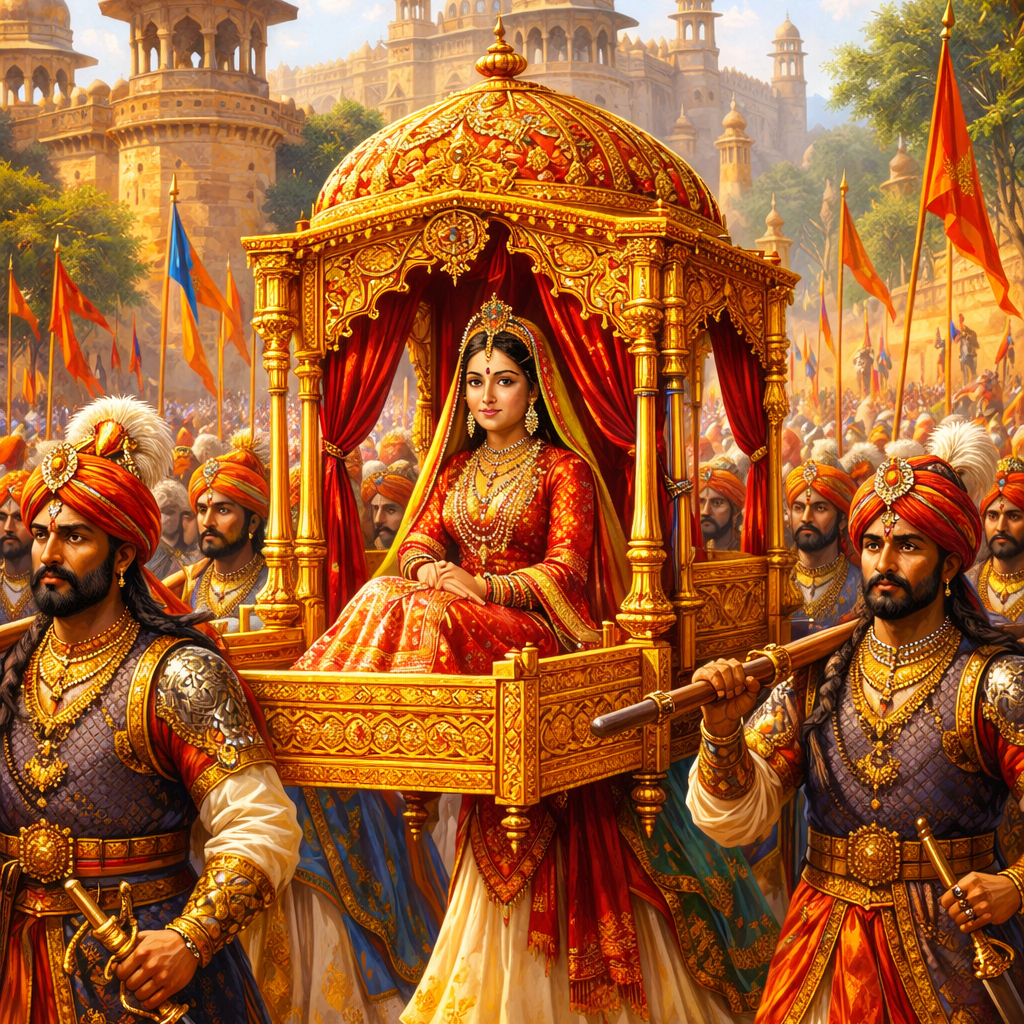
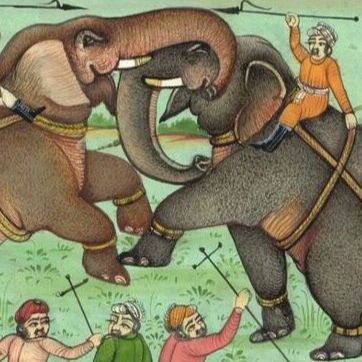
In the Mughal dynasty times, elephants were more than just animals—they were trusted guardians trained to fight, defend, and even sacrifice their lives for their masters. Stories of their loyalty, such as elephants shielding fallen warriors or rescuing emperors from danger, became legendary in the empire's history. Their role as protectors remained deeply ingrained in Indian warfare and tradition, long after the fall of the Mughal Empire.
Therefore, Rajans are represented by the elephant because like an elephant, Rajans are very resilient, emotionally intelligent, and social.
Resilient
Elephants are known for their resilience in the face of adversity. They have been observed adapting to changes in their environment, such as drought or habitat loss.
Emotionally Intelligent
Elephants are highly intelligent animals and have been observed exhibiting empathy by consoling one another in times of distress, and also mourning the death of their companions.
Social
Elephants are known for their social nature and strong bonds with their family members. A herd is led by an older female elephant, and close relationships and family ties are important for elephants. They protect their herd and have been known to protect other species if they sense they are in need of help.
Sanskrit Meaning
-
In Sanskrit, the word “rajan” means king or ruler, such as the Hindu God Indra known as, Deva Rajan, the King of the Gods, and ruler of the heavens.
-
Lord Indra’s divine elephant, Airavata, is believed to be the most powerful of all elephants, known for his immense strength and protective nature. He is often depicted as carrying Lord Indra on his back as he rides across the skies. Airavata was chosen by Lord Indra because of his ability to protect him from danger.
-
According to legend, when Lord Indra goes into battle, Airavata will wrap his trunk around him and create a powerful shield to protect him from his enemies.


Rajan's Superpowers
Rajans are committed to helping others achieve their goals and overcome obstacles. This supportive and protective nature can make them valuable friends and colleagues. They are always there to lend a hand or offer a listening ear.
Rajans are often respected and admired by others. Their loyalty enables them to build strong, lasting relationships, both in personal and professional contexts.
Rajan in Different States of Mind
The Rajan type belongs to the category of Movers and Shakers, who often gravitate toward high-power positions and typically exhibit a rajasic (passionate) mindset. However, the human mind naturally shifts between the three gunas: sattva, rajas, and tamas. See how the Rajan's mind manifests in each of these states.
Sattva
Peaceful. Clear.
Gentle, accommodating, cooperative and considerate. Sweet and steady temperament. Thoughtful, and deliberate in their actions. Empathetic and a strong ability to understand others. Deep emotions that drive their deep commitments to others. Loyal - willing to support and defend the people they care about in any way they can. They are very pleasant to be around, and a true friend.
Rajas
Passionate. Active.
They take their loyal nature to a whole new level because their passion blinds them to the situation and to the true intentions of the other person. Loyal Rajans can make emotional decisions that cause them to trust the untrustworthy. This may lead to bad outcomes for themselves or for others.
Tamas
Passive. Confused.
They can become confused about where their loyalty lies. They can tend to see good people as their enemies and harmful people as great. They may become dissatisfied and restless in their relationships. They may become lazy in their loyalty and not defend those they care about.